Leveraging AI to Revolutionize Customer Service: The Power of Chatbots and AI-Driven Analytics

In an era where customer expectations are sky-high and patience is at a premium, businesses are turning to artificial intelligence (AI) to transform the customer service landscape. AI-driven technologies, particularly chatbots and analytics, are redefining how companies interact with their customers, offering personalized, efficient, and round-the-clock service. This article delves into the various facets of AI in customer service, exploring its evolution, current applications, and future potential to enhance customer experiences and operational efficiency.
Key Takeaways
- AI is reshaping customer service by providing personalized and efficient interactions through chatbots and AI-driven analytics, leading to increased customer satisfaction.
- The integration of natural language processing in chatbots has allowed for more intuitive and human-like interactions, making AI a cornerstone of real-time customer engagement.
- Predictive analytics in customer service not only anticipates customer needs but also enables businesses to offer proactive support and personalized experiences.
- Strategically implementing AI in customer service operations can significantly improve efficiency, but it requires overcoming technical and adoption challenges.
- The future of AI in customer service is poised for growth with emerging technologies, but it must be balanced with ethical considerations and maintaining customer trust.
The Evolution of Customer Service: From Human Touch to AI Interaction

Historical Perspective on Customer Service
The journey of customer service has been marked by continuous innovation and adaptation. In the early days, the focus was on direct, personal interactions, often face-to-face, where the human touch was paramount. As technology advanced, so did the methods of service delivery. The advent of call centers and email support brought new efficiencies, but also introduced a layer of impersonality to the customer experience.
The digital era ushered in an unprecedented level of convenience and speed, with online FAQs and live chat options. However, it is the Evolution of automation tools that has set the stage for the most significant transformation yet. From basic scripts to sophisticated AI-driven systems, this evolution has not only streamlined processes but also empowered service teams to focus on more complex, creative problem-solving.
The transformative role of AI in customer service is not just about automating tasks; it's about fostering robust customer relationships and loyalty through a more responsive and personalized experience.
As we reflect on this evolution, it's clear that the integration of AI is not merely a trend but a fundamental shift in how we understand and interact with customers. Frameworks and methodologies for AI integration are now crucial for businesses aiming to stay ahead in the competitive landscape of customer service.
Transition to AI-Driven Customer Support
The transition to AI-driven customer support marks a significant milestone in the evolution of customer service. Personalized AI Support Systems are not mere futuristic concepts but are here, reshaping the way businesses interact with their customers. Intelligent Customer Service Bots, equipped with the ability to understand and process natural language, are revolutionizing the immediacy and quality of customer engagement.
The integration of AI into customer service is a paradigm shift, enhancing interactions and driving efficiency.
Here's how AI is transforming customer support:
- Automating routine inquiries: AI chatbots handle common questions, allowing human agents to focus on complex issues.
- Consistent omnichannel support: AI-driven CRM systems integrate data across all customer touchpoints for seamless support.
- Predictive assistance: Leveraging data analytics, AI anticipates customer needs, offering proactive support.
As we embrace this new era, it's crucial to recognize the challenges that come with integrating AI into customer service. Navigating these hurdles is essential for a seamless transition and to harness the full potential of AI. Stas Sorokin, a Pro on Fiverr, exemplifies the expertise required to implement these sophisticated AI applications, ensuring that businesses stay ahead in the competitive landscape of customer service.
Embrace the future of customer service with AI. The time to act is now—transform your customer support and witness the unparalleled benefits of AI-driven solutions.
Impact of AI on Customer Service Dynamics
The advent of AI has ushered in a new era of Transformative AI Customer Interactions, fundamentally altering the customer service landscape. AI plays a pivotal role in customer lifecycle management, offering predictive analytics, personalization, and customer retention. Businesses leveraging AI analytics see substantial growth and enhanced customer engagement.
However, the integration of AI does not signal the end of human involvement. Complex issues and the need for emotional intelligence mean that AI serves best as a complement to human agents, handling routine tasks and freeing them to address more nuanced customer needs.
Embrace the synergy of AI and human expertise to deliver unparalleled customer service experiences.
As we navigate this shift, consider the following points:
- AI's transformative impact is not limited to task automation but extends to creating a responsive and personalized service experience.
- The collaboration between AI and human agents leads to a more robust and loyal customer base.
- The strategic use of AI in customer service is a game-changer for businesses aiming to thrive in today's competitive market.
Remember, the goal is not to replace but to enhance. By strategically implementing AI, we can ensure that customer service remains not just a function, but a cornerstone of business success. Join us in exploring the full potential of AI in customer service. Let's innovate together!
AI-Powered Chatbots: Revolutionizing Real-Time Customer Engagement
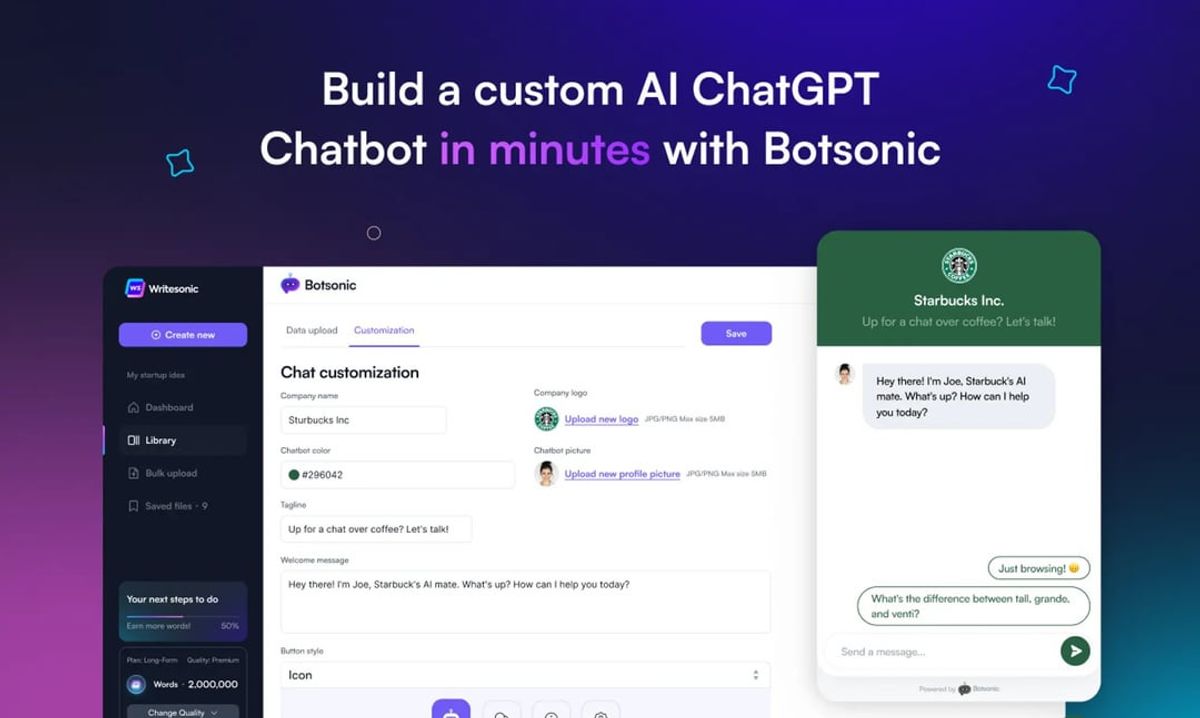
Understanding Natural Language Processing in Chatbots
At the heart of AI-driven customer engagement lies Natural Language Processing (NLP), a technology that empowers chatbots to interpret and interact using human language. NLP is not just about understanding words; it's about grasping context, sentiment, and intent. This allows chatbots to provide responses that are not only relevant but also empathetic, mirroring the nuances of human conversation.
Consider the transformative impact of NLP on chatbots:
- Sentiment Analysis: By analyzing the tone and context, chatbots can gauge customer emotions and tailor their responses accordingly.
- Intent Recognition: NLP enables chatbots to discern the underlying purpose of customer inquiries, ensuring that responses are on point.
- Conversational Flexibility: Unlike structured keyword searches, NLP allows for unstructured queries, making interactions more natural and fluid.
The Bles Software website explores AI, technology, and software solutions for scalable growth, business expansion, SaaS innovation, and efficient software development through AI-driven automation.
As we witness chatbots like Botsonic achieving human-like precision in understanding queries, industries from retail to finance are leveraging this technology to enhance customer experiences. Sephora and H&M, for instance, have integrated chatbots to assist in product selection, thereby elevating the shopping journey. The continuous improvement in NLP ensures that AI assistants are becoming more adept at handling complex customer interactions without the need for human intervention.
Case Studies: Chatbots in Various Industries
The advent of AI-powered chatbots has marked a new era in customer service, with businesses across various industries harnessing their potential to redefine the customer experience. From e-commerce to healthcare, chatbots are not just a novelty but a necessity, providing instant, 24/7 support to customers worldwide.
In the realm of e-commerce, chatbots have taken on roles that extend beyond mere transactional interactions. They assist with order tracking, product recommendations, and even manage returns, ensuring a seamless shopping experience. In healthcare, chatbots facilitate appointment scheduling, symptom checking, and provide health advice, significantly reducing the burden on medical staff.
The integration of chatbots into customer service operations is not just about technological advancement; it's about creating a more empathetic and responsive service environment.
The financial sector has seen chatbots become virtual financial advisors, offering budgeting tips and investment guidance. In the travel industry, they provide real-time updates on bookings and travel advisories, making them indispensable travel companions.
| Industry | Chatbot Functionality | Impact on Customer Service |
|---|---|---|
| E-commerce | Order tracking, recommendations, returns | Enhanced shopping experience |
| Healthcare | Appointment scheduling, symptom checking | Reduced staff burden |
| Finance | Budgeting, investment advice | Personalized financial guidance |
| Travel | Real-time updates, travel advisories | Indispensable travel support |
AI-driven analytics revolutionize businesses, optimizing service delivery, enhancing strategic decisions, and boosting growth. Success stories showcase the transformative impact of AI in business operations. As we continue to witness the proliferation of chatbots across industries, it is clear that they are not just a fleeting trend but a cornerstone of modern customer service strategies.
Future Prospects: The Integration of Chatbots in Customer Service
The integration of AI Chatbots for Customer Service is not a distant dream but an unfolding reality. As we stand on the brink of a new era, the seamless fusion of AI-powered customer engagement with everyday business operations is imminent. Imagine a world where generative AI chatbots become the central hub of communication, adeptly pulling together all the capabilities of AI to deliver unparalleled service experiences.
The transformative power of AI chatbots lies in their ability to evolve from the first generation's scripted interactions to dynamic, real-time conversations that are indistinguishable from human engagement. This leap forward is made possible by the integration with corporate IM platforms, IVR systems, and ITSM solutions, ensuring a cohesive and intelligent customer support ecosystem.
The promise of AI-driven analytics revolutionizes businesses by providing actionable insights, accelerating growth, and enhancing strategic agility through real-time data interpretation and predictive analytics.
As we look to the future, the question is not if, but how swiftly businesses will adopt these advanced AI tools. The statistics are compelling; by 2025, a staggering 95% of customer interactions are expected to occur without human intervention. This shift demands a strategic approach to integrating AI chatbots that goes beyond mere implementation to creating a customer experience that is both personalized and predictive.
To harness the full potential of AI in customer service, consider the following steps:
- Evaluate the current state of your customer service and identify areas for AI enhancement.
- Select AI solutions that align with your business goals and customer needs.
- Ensure seamless integration of AI chatbots with existing systems for a unified customer experience.
- Continuously monitor and refine AI interactions to maintain a high standard of service.
In conclusion, the future of customer service is being reshaped by AI chatbots and analytics. It's time to embrace this change and leverage the power of AI to create a customer service that is not just efficient, but also empathetic and engaging. The journey towards AI-powered customer engagement is just beginning, and the possibilities are limitless.
AI-Driven Analytics: Predicting and Shaping Customer Behavior

The Role of Predictive Analytics in Customer Service
In the realm of customer service, AI-driven analytics revolutionize businesses by providing actionable insights that are crucial for staying ahead in today's competitive landscape. Predictive analytics, a cornerstone of AI Analytics in Customer Satisfaction, empowers companies to foresee customer needs and tailor their services accordingly.
Predictive analytics transforms raw data into a crystal ball, allowing businesses to anticipate customer behavior and streamline their service offerings.
Here's a simple guide on how to harness predictive insights:
- Collect historical data on customer interactions, sales, and feedback.
- Utilize AI-driven analytics tools to predict future trends or issues.
- Adjust business strategies based on these predictions.
- Continuously monitor and refine AI models for accuracy.
While the benefits are clear, integrating AI into customer service does not come without its challenges. Companies must navigate the complexities of data privacy, ethical considerations, and the need for continuous refinement of AI models to ensure accuracy and relevance.
Personalization Through Data-Driven Insights
In the realm of customer service, personalization is the cornerstone of customer satisfaction. Our AI-driven personalization transcends mere demographics, delving into the intricate tapestry of user behavior, sentiment analysis, and real-time interactions. This approach fosters a dynamic and evolving understanding of your audience, enabling the crafting of marketing strategies that not only captivate but also engender loyalty and drive conversions.
The essence of personalization lies in its ability to tailor experiences to individual preferences, thereby enhancing the customer journey and cementing brand loyalty.
Here's how to implement AI-powered personalization effectively:
- Gather customer data including preferences, interactions, and purchase history.
- Utilize AI algorithms to discern patterns within this data.
- Apply insights to personalize greetings, offers, or content on your platforms.
- Continuously refine personalization based on fresh data to stay relevant.
By integrating AI-driven personalization at scale, businesses can offer unique experiences to every customer. For example, AI algorithms enable tailored product recommendations, increasing customer satisfaction and sales. Online retailers like Amazon exemplify this, suggesting products aligned with customers' browsing and purchase history. Moreover, personalization is not solely about boosting sales; it's about elevating the entire customer experience, making each individual feel valued and understood, which can lead to heightened loyalty and sustained business success.
Proactive Customer Support with Predictive Analytics
In the realm of customer service, AI-Driven Customer Support Analytics are transforming the landscape by enabling a proactive approach. By analyzing vast amounts of historical data, AI tools can forecast potential customer issues before they surface, allowing businesses to address them preemptively. This not only enhances customer satisfaction but also fosters brand loyalty and competitive edge.
The proactive use of predictive analytics signifies a shift from reactive to anticipatory customer service models. It's a strategic move that positions companies to not just respond to customer needs, but to anticipate and shape them.
Here's a simple guide on how to harness predictive insights:
- Collect historical data on customer interactions, sales, and feedback.
- Utilize AI-driven analytics tools to predict future trends or issues.
- Adjust business strategies based on these predictions.
- Continuously monitor and refine the accuracy of AI models.
By following these steps, organizations can leverage predictive analytics to not only foresee and mitigate risks but also to tailor customer experiences. This tailored approach is key to driving business growth through personalized customer engagement, predictive analytics, and proactive risk management.
Strategic Implementation of AI in Customer Service Operations

Best Practices for Integrating AI into Customer Service
In the quest to elevate customer service through technology, AI Customer Service Best Practices are the cornerstone of a successful digital transformation. The integration of AI solutions for customer queries and AI customer service automation is not without its challenges, but the rewards are substantial. To harness the full potential of AI for omnichannel customer service, consider the following steps:
- Identify all customer touchpoints: This includes email, social media, phone, and any other channels your customers may use.
- Implement an AI-driven CRM: Ensure it integrates data from all channels for a unified customer view.
- Personalize support: Use the integrated data to provide consistent and personalized support across all touchpoints.
- Monitor and refine: Continuously track customer interactions and adjust your strategies to improve service quality.
Scalable AI customer support systems are not just about technology; they're about creating a seamless, efficient, and personalized experience for every customer.
While the journey to integrating AI in customer service operations can be complex, the strategic application of these best practices will lead to a more innovative and customer-centric future. Remember, it is the meticulous implementation of AI solutions that will dictate their ultimate success. As you navigate this transformative path, keep in mind that scalable AI customer support is the future, and it starts with your commitment to these best practices today.
Engage with us further and discover how to revolutionize your customer service with AI.
Overcoming Challenges in Adopting AI Technologies
As organizations embark on the transformative journey of integrating AI into customer service, they encounter a myriad of challenges that must be navigated with precision and foresight. Ensuring the seamless integration of AI technologies into existing frameworks is not merely a technical hurdle but also a strategic endeavor that requires continuous optimization for peak performance.
- Data Privacy and Security
- Ethical and Privacy Considerations
- Ensuring the Human Touch
With AI's reliance on customer data, addressing privacy and security concerns is paramount. Adhering to data protection regulations and handling customer information responsibly are non-negotiable aspects of a successful AI implementation. Moreover, maintaining the human element in customer interactions is crucial to overcome trust issues and ensure that AI complements rather than replaces valuable human touchpoints.
Embrace AI metrics for strategic growth, optimize marketing ROI with AI analytics, improve customer targeting and personalization for enduring success.
The strategic implementation of AI in customer service is not without its hurdles, but the rewards are substantial. By overcoming these challenges, businesses can unlock new levels of efficiency and customer satisfaction. Let's navigate this journey together, leveraging AI to not only meet but exceed customer expectations.
Measuring the Impact of AI on Customer Service Efficiency
The integration of AI in Enhancing Service Efficiency has become a cornerstone for businesses aiming to thrive in the digital age. By analyzing the performance metrics pre and post AI adoption, companies are witnessing a tangible uplift in their service operations. The key lies in the data:
| Metric | Before AI | After AI |
|---|---|---|
| Response Time | 5 min | 2 min |
| Resolution Rate | 75% | 90% |
| Customer Satisfaction | 80% | 95% |
These figures are more than just numbers; they represent real-world improvements in operational efficiency and customer satisfaction.
Operational Efficiency with AI Support is not just about speed; it's about the quality of interactions and the ability to provide personalized experiences at scale.
Furthermore, the reduction in follow-up interactions due to AI's precision leads to significant savings, underscoring the ROI of AI in customer service. As web developer Stas Sorokin demonstrates with his AI-powered web applications, commitment to leveraging AI can result in excellent work and proactive issue-solving. The journey towards operational excellence is both a strategic and data-driven endeavor, one that requires continuous measurement and refinement.
The Future of AI in Customer Service: Trends and Innovations

Emerging Technologies in AI and Their Potential
In the realm of customer service, the integration of AI with emerging technologies heralds a new era of innovation and efficiency. The convergence of AI with the Internet of Things (IoT) and other advanced systems is poised to redefine customer engagement. Imagine your smart home devices or wearables acting not just as tools of convenience but as portals to personalized customer service experiences, leveraging real-time data to cater to your unique needs.
Advancements in Natural Language Processing (NLP) promise to further blur the lines between human and AI interactions. The sophistication of future AI systems will likely make today's automated services seem primitive in comparison, offering seamless and intuitive communication that mirrors human conversation.
While AI brings transformative benefits, businesses must navigate the challenges of data privacy and ethical considerations. Embracing responsible AI use is crucial for harnessing its full potential.
The future of AI in customer service is not just about technology; it's about crafting experiences that resonate on a personal level. As we anticipate more personalized, efficient, and intuitive customer experiences, here are some emerging trends to watch:
- Integration with IoT for enhanced interaction through smart devices and wearables
- Advancements in NLP for more human-like AI conversations
- Seamless omnichannel experiences across various platforms
Businesses that stay abreast of these trends and strategically implement AI can expect to not only meet but exceed customer expectations. Are you ready to embrace the future and revolutionize your customer service? The time to act is now.
Ethical Considerations and Customer Trust
In the realm of customer service, the integration of AI raises profound ethical considerations. The trust of customers hinges on the transparent and responsible use of AI technologies. Businesses are now recognizing that ethical AI practices are not just a regulatory compliance issue but a core component of customer relationships and brand reputation.
- Bias in AI Algorithms: Vigilance is required to identify and mitigate biases in AI systems to ensure fair customer engagement.
- Transparency and Explainability: Customers increasingly demand to understand the 'how' and 'why' behind AI decisions, necessitating explainable AI systems.
- Respecting Customer Autonomy: It is crucial to honor customer autonomy, steering clear of manipulative practices that undermine trust.
Navigating the ethical landscape of AI in customer service is not only about adhering to legal standards but also about fostering a culture of trust and respect with customers. The strategic balance between AI efficiency and human empathy is the cornerstone of ethical AI deployment.
As AI continues to evolve, so must our commitment to ethical practices. The businesses that prioritize these values will not only lead the market but also set the standard for the future of customer service. Let us embrace this challenge as an opportunity to redefine the essence of customer care. Remember, the future of AI in customer service is not just about the technology; it's about the trust it fosters and the relationships it nurtures.
Preparing for the Next Wave of AI in Customer Service
As we stand on the brink of the Next-Generation AI Customer Experience, it's crucial to recognize that the landscape of customer service is on the cusp of a transformative leap. The integration of AI-driven analytics is not just an enhancement but a fundamental shift, empowering businesses to transform data into strategic decisions. Embrace AI for agility, competitiveness, and innovation in a data-driven world.
The next wave of AI in customer service is about harnessing the power of predictive insights to not only meet but anticipate customer needs, crafting experiences that are both seamless and personalized.
Businesses must prepare for this shift by understanding the capabilities and potential of emerging AI technologies. Here's a concise roadmap to readiness:
- Audit current customer service processes to identify areas where AI can have the most significant impact.
- Invest in training and development for your team to leverage AI tools effectively.
- Foster a culture of innovation that encourages experimentation and adaptation.
- Stay informed about the latest AI developments and their applications in customer service.
As we embrace these changes, it's essential to maintain a balance between technological advancement and the human element that remains at the heart of customer service. The future beckons with promises of efficiency and enhanced customer satisfaction. Are you ready to ride the wave of AI innovation?
Conclusion
In conclusion, the integration of AI into customer service is not merely a trend but a transformative movement that is reshaping the landscape of customer interactions. AI-powered chatbots and AI-driven analytics have demonstrated their ability to enhance customer experience by providing personalized, efficient, and responsive service. The predictive capabilities of AI allow businesses to anticipate customer needs, offering proactive support that fosters loyalty and satisfaction. As organizations continue to harness the power of AI, they will find themselves at the forefront of customer service innovation, equipped to meet the evolving demands of the digital age. The future of customer service is undeniably intertwined with AI, and embracing this technology is key to achieving a competitive edge in today's market.
Frequently Asked Questions
How is AI transforming customer service?
AI is transforming customer service by utilizing chatbots and AI-driven analytics to enhance customer experience and operational efficiency. It enables real-time, 24/7 customer support, automates routine inquiries, and uses predictive analytics to personalize the customer experience.
What role do AI-powered chatbots play in customer service?
AI-powered chatbots play a crucial role in customer service by using natural language processing to understand and respond to customer inquiries instantly. They provide 24/7 support, reduce wait times, and allow human agents to focus on more complex issues.
Are AI customer service chatbots sufficient for all customer interactions?
While AI chatbots are a significant component of AI customer service, they are not sufficient for all interactions. Advanced AI customer service also includes tools for analyzing customer data, providing personalized recommendations, and predicting customer needs for a more comprehensive support experience.
What is predictive analytics, and how does it improve customer service?
Predictive analytics involves analyzing data to forecast future customer behaviors and trends. In customer service, it helps businesses anticipate customer needs, offer personalized experiences, and provide proactive support, thus improving overall customer satisfaction.
What are the benefits of integrating AI into customer service operations?
Integrating AI into customer service operations offers numerous benefits, including increased efficiency, enhanced responsiveness, improved personalization, and the ability to provide instant support. It also empowers support agents with more intelligence and resources to better serve customers.
How can businesses ensure ethical use of AI in customer service?
Businesses can ensure ethical use of AI in customer service by being transparent about AI's role, securing customer data, obtaining consent for data use, and continuously monitoring AI systems to prevent bias and ensure they operate as intended, respecting customer privacy and trust.


Comments
Post a Comment