How AI-Powered Chatbots and Analytics Are Revolutionizing Customer Service

In the rapidly evolving landscape of customer service, artificial intelligence (AI) has become a cornerstone for innovation and efficiency. AI-powered chatbots and analytics are not just futuristic concepts but are currently revolutionizing how businesses interact with their customers, offering personalized experiences, and streamlining support operations. This article delves into the transformative effects of AI in customer service, highlighting the emergence of AI-driven chatbots, the synergy between analytics and AI, and the future directions of this technological integration.
Key Takeaways
- AI-driven chatbots and analytics significantly enhance customer engagement and satisfaction by providing personalized, efficient, and 24/7 support.
- Advancements in natural language processing and machine learning have enabled chatbots to deliver human-like interactions, transforming customer service into a more conversational experience.
- The integration of predictive analytics with AI helps businesses anticipate customer needs and deliver proactive support, thereby elevating the overall customer experience.
- AI-powered solutions in customer service offer substantial cost savings and operational efficiencies by automating routine tasks and optimizing support workflows.
- The future of customer service with AI promises even greater personalization, omnichannel support, and ethical considerations as technology continues to evolve.
The Emergence of AI-Driven Chatbots in Modern Customer Service

Defining the Role of AI Chatbots in Customer Interactions
In the realm of customer service, AI chatbots have emerged as a transformative force, redefining the very fabric of customer interactions. These intelligent virtual assistants are not just tools; they are the new frontiersmen of customer engagement, offering round-the-clock support and a level of personalization that was once the exclusive domain of human agents.
- Instantaneous Response: AI chatbots provide immediate answers to customer inquiries, significantly reducing wait times.
- Understanding Intent: Through natural language processing, chatbots can discern the intent behind customer queries, ensuring relevant and accurate assistance.
- Personalized Experience: Leveraging data analytics, chatbots tailor conversations to individual customer preferences, history, and behavior.
The integration of AI chatbots into customer service is not merely an upgrade; it is a complete overhaul of traditional interaction paradigms, setting a new benchmark for customer satisfaction.
The implementation of AI chatbots is a strategic move that can lead to a significant uptick in customer satisfaction and loyalty. As businesses continue to harness the power of AI, the role of chatbots will only grow more integral. Embrace the future of customer service by exploring the potential of AI chatbots in your organization. Let's delve into the advancements that are making this possible and how they can be applied to elevate your customer service to new heights.
Advancements in Natural Language Processing for Enhanced Engagement
The evolution of Natural Language Processing (NLP) has been a game-changer for AI Chatbots for Customer Service. By understanding the nuances of human conversation, these Intelligent Customer Service Bots can now engage with customers in a way that feels both personal and intuitive. The result? A seamless interaction that not only meets but often exceeds customer expectations.
The sophistication of chatbots today is not just about understanding words but grasping context, emotion, and intent. This level of comprehension allows for a more dynamic and human-like dialogue, transforming customer service from a mere transaction to an engaging experience.
Here's how NLP is making a difference:
- Sentiment analysis to gauge and respond to customer emotions.
- Contextual understanding to provide relevant and personalized advice.
- Continuous learning from each interaction to improve over time.
These advancements are not just technical feats; they represent a shift towards a more empathetic and responsive customer service model. As we continue to witness the rise of AI-driven solutions, it's clear that the future of customer service is not just about efficiency but about creating meaningful connections.
Case Studies: Successful Implementations of AI Chatbots
The landscape of customer service has been dramatically reshaped by the advent of AI chatbots, with companies across various industries reaping the benefits of this technology. AI-driven success stories showcase transformative power in business, from data quality improvements to demand forecasting accuracy, leading to increased sales and optimized inventory management.
For instance, global brands like Starbucks, Sephora, and Domino's Pizza have integrated chatbots into their customer service frameworks, achieving remarkable outcomes:
- Starbucks: Launched a chatbot that allows customers to place orders via voice command or messaging, streamlining the ordering process.
- Sephora: Developed a chatbot that offers beauty advice and product recommendations, enhancing the shopping experience.
- Domino's Pizza: Introduced a chatbot for easy order placement and tracking, improving overall customer satisfaction.
The key to these successes lies not only in the deployment of chatbots but also in their continuous training and maintenance. Regular updates and refinements in AI capabilities ensure that chatbots deliver accurate and relevant responses, thus maintaining a high level of customer engagement.
As we delve deeper into the realm of AI chatbots, it's clear that their potential is not just about automating responses but about creating a personalized experience that resonates with customers. The challenge lies in striking the right balance between technological efficiency and human touch. Embrace the future of customer service by considering how AI chatbots could revolutionize your business operations and customer interactions.
Analytics and AI: A Synergy Transforming Customer Support Dynamics

The Impact of Predictive Analytics on Customer Service Outcomes
In the realm of customer service, AI Analytics in Customer Satisfaction have become a cornerstone for businesses aiming to stay ahead of the curve. Predictive analytics, powered by AI, is not just a buzzword; it's a transformative tool that anticipates customer needs and personalizes interactions. By analyzing vast amounts of customer data, AI systems can forecast future behaviors, enabling companies to proactively address concerns and tailor recommendations.
The integration of predictive analytics into customer service doesn't just enhance the customer experience—it redefines it.
Consider the case of BigCommerce, which leverages AI-powered predictive analytics to optimize inventory management by accurately forecasting demand patterns. This foresight minimizes product unavailability, directly influencing customer satisfaction and loyalty. Similarly, HubSpot's Sales Hub uses AI-driven predictive analytics to proactively address customer requirements, often before the customers themselves are aware of their needs.
Here's a glimpse at the tangible benefits of predictive analytics in customer service:
- Anticipation of customer needs leading to timely and relevant interactions.
- Personalized customer experiences that foster deeper connections and brand loyalty.
- Efficient resource management through accurate demand forecasting, reducing waste and costs.
The evidence is clear: businesses that embrace AI analytics are setting new standards in customer satisfaction. As we continue to witness the evolution of customer service technologies, the role of AI in driving sales and enhancing user experiences is indisputable. Embrace the future—let AI analytics guide your customer service strategy to new heights.
Leveraging Machine Learning for Personalized Customer Experiences
In the realm of Transformative AI Customer Interactions, the use of Machine Learning (ML) stands out as a pivotal force in crafting personalized customer experiences. By analyzing vast datasets, ML algorithms enable AI-Powered Customer Engagement platforms to deliver highly individualized interactions, fostering a sense of uniqueness and value among customers.
Consider the following benefits of Personalized AI Support Systems:
- Tailored product recommendations that resonate with individual customer preferences.
- Enhanced customer satisfaction through predictive support and proactive service.
- Increased conversion rates and customer loyalty as a result of personalized engagement.
The integration of ML into customer service is not just about technology; it's about understanding and anticipating customer needs to provide a seamless and memorable service experience.
Adopting AI Customer Service Best Practices involves a continuous learning process where AI systems evolve through interactions. This evolution is exemplified by platforms like Salesforce Commerce Cloud, which not only analyze customer preferences but also enhance satisfaction and provide valuable insights for targeted marketing campaigns.
In the pursuit of excellence in customer service, it is crucial to recognize the role of experts like Stas, whose practical and engaging approach to AI has led to transformative learning experiences. His work exemplifies the synergy between human expertise and AI capabilities, ensuring that personalized customer service is not just a concept, but a reality.
Integrating AI Analytics into Multi-Channel Support Systems
In the realm of AI for Omnichannel Customer Service, the integration of AI-Driven Customer Support Analytics is pivotal. It ensures a seamless experience across various platforms, catering to the modern consumer's expectation of effortless transitions between channels. Here's how AI solutions are making a difference:
- Expedited Query Resolution: AI Solutions for Customer Queries rapidly analyze and respond to customer needs, significantly reducing wait times.
- Personalized Interactions: Leveraging data, AI tailors responses to individual customer preferences, enhancing satisfaction.
- Predictive Customer Needs: Anticipating issues before they arise, AI keeps businesses one step ahead in customer care.
- Enhanced Team Productivity: AI Customer Service Automation frees up human agents to handle more complex tasks.
- Real-time Insights: Agile decision-making is powered by AI's ability to provide instant customer analytics.
AI-driven analytics enhance customer engagement, brand loyalty, and competitive advantage by providing speed, personalization, and consistency. Businesses must embrace AI for growth and survival in a data-driven world.
The implementation of Scalable AI Customer Support systems is not just a technological upgrade but a strategic necessity. It is the cornerstone of a proactive, data-informed customer service strategy that can adapt to the ever-evolving landscape of consumer expectations and technological advancements.
Operational Efficiency and Cost-Effectiveness Through AI Solutions

Automating Routine Inquiries: Reducing Workload and Response Time
In the realm of customer service, AI-powered chatbots are indispensable tools for automating routine inquiries, significantly reducing the workload on human agents and slashing response times. By handling multiple customer queries simultaneously, chatbots not only enhance operational efficiency but also ensure that customers receive instant support, any time of the day.
Consider the following benefits of deploying chatbots for routine tasks:
- 24/7 availability: Chatbots are always on duty, providing round-the-clock service without fatigue.
- Consistency in responses: They deliver uniform answers to frequently asked questions, maintaining a standard of service.
- Scalability: As demand fluctuates, chatbots can effortlessly manage the ebb and flow of customer inquiries.
AI-powered analytics drive operational excellence by streamlining processes, eliminating duplication, and optimizing resource allocation for enhanced efficiency and strategic decision-making.
The cost-effectiveness of chatbots is also a compelling argument for their integration into customer service strategies. By automating tasks such as booking appointments or processing payments, businesses can significantly reduce operational costs while freeing up human agents to tackle more complex issues that require a personal touch.
Cost-Benefit Analysis of AI Chatbots Versus Traditional Support
In the realm of customer service, the cost-benefit analysis of AI chatbots compared to traditional support channels is a pivotal consideration for businesses. AI-powered chatbots are not just a technological advancement; they are a strategic investment that can yield substantial financial benefits over time.
-
Cost Efficiency: By automating routine tasks and handling multiple inquiries simultaneously, chatbots significantly reduce the need for extensive customer support teams. For example, the implementation of chatbots by XYZ Corporation led to a marked decrease in staffing costs while maintaining high service quality.
-
24/7 Availability: Unlike human agents, chatbots offer round-the-clock assistance, ensuring that customer support is available anytime, enhancing customer satisfaction and accessibility for global operations.
-
Personalized Experience: Leveraging AI, chatbots can deliver a more personalized service by remembering customer preferences and past interactions, which can lead to increased customer loyalty and sales.
The strategic deployment of AI chatbots can be a game-changer for businesses, optimizing operational efficiency and offering a competitive edge in customer service.
For a deeper dive into how AI chatbots can transform your business, visit the Bles Software website for insights on leveraging AI for scalable growth and efficient operations.
AI's Role in Streamlining Customer Service Workflows
The integration of AI in Enhancing Service Efficiency is not just a trend; it's a comprehensive overhaul of customer service paradigms. Operational Efficiency with AI Support is the new benchmark, setting a standard that combines speed, precision, and adaptability in customer interactions. AI-driven solutions are not static; they evolve by analyzing data and customer behavior, ensuring that every interaction is an opportunity to learn and improve.
AI's capability to analyze and adapt is transforming customer service workflows into dynamic, efficient, and customer-centric operations.
Here are some key points where AI is making a significant impact:
- AI systems learn from customer interactions, tailoring responses to individual needs.
- Integration with existing platforms offers a holistic view of customer engagements.
- AI solutions are cost-effective, managing large volumes of inquiries with ease.
By implementing AI, businesses are not only enhancing efficiency but also fostering a deeper connection with their customers. The continuous learning process inherent in AI technologies means that your customer service is always advancing, always becoming more attuned to the needs of your clientele. Embrace the future of customer service with AI, and watch as your business transforms into a beacon of customer satisfaction.
We invite you to join the revolution in customer service. Explore the potential of AI in your operations and witness the transformation firsthand. The journey towards unparalleled customer service efficiency begins with AI. Are you ready to take the first step?
The Future of Customer Service: AI's Expanding Horizons
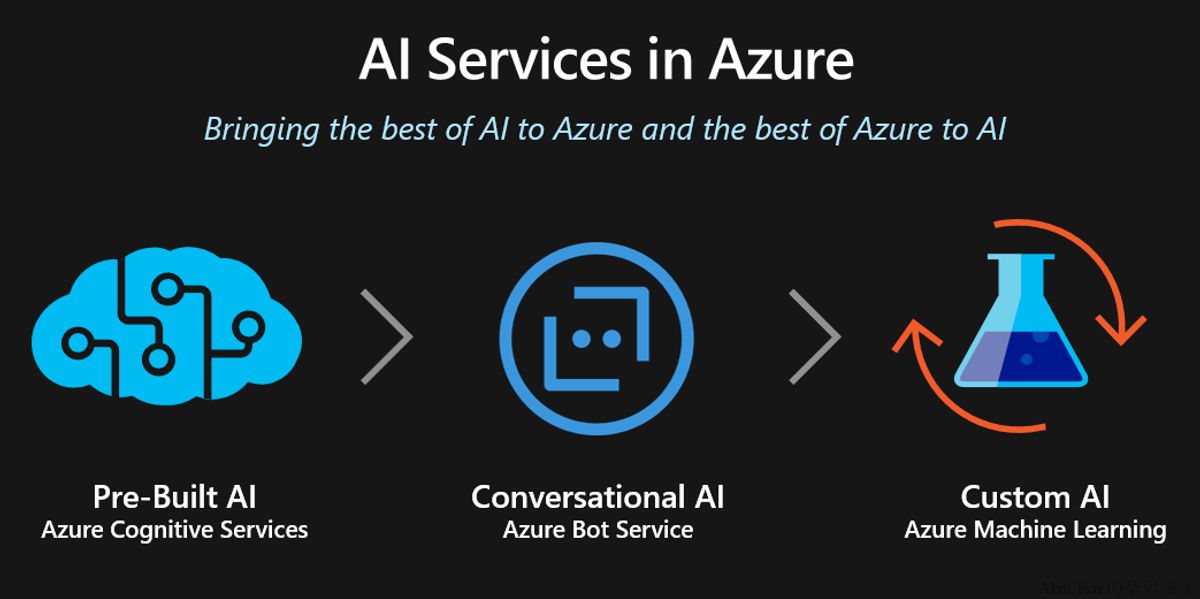
Emerging Trends in AI-Powered Customer Service Technologies
As we delve into the Next-Generation AI Customer Experience, it's clear that the AI-driven analytics evolution is reshaping the landscape of customer service. From basic data processing to advanced machine learning, the current trends are not just about data but about strategic growth and gaining a competitive edge. Real-time analytics, deep learning, and AI-driven automation stand at the forefront of this transformation.
- Sentiment analysis, predictive modeling, and emotion recognition are emerging as key technologies that promise to offer more personalized and engaging customer experiences.
- The integration of these technologies enables businesses to not only understand but also anticipate customer needs, creating a proactive customer service environment.
The future of customer service is being rewritten by AI innovations. By embracing these technologies, businesses are not only enhancing user experience but also improving efficiency and driving engagement.
The transformative potential of AI in customer service is vast, reshaping interactions and delivering personalized experiences. As we navigate this transformative frontier, the key lies in harnessing AI's potential ethically and ensuring that the customer remains at the center of innovation. The future of customer service is not just about technology; it's about the human experience augmented by AI.
We invite you to continue exploring with us the profound impact AI is having on customer service. Join the conversation and share your insights as we collectively shape the future of customer interactions.
The Role of AI in Shaping Omnichannel Customer Strategies
In the realm of customer service, AI is the linchpin in unifying the omnichannel experience, ensuring seamless transitions and personalized interactions across all platforms. By leveraging sophisticated machine learning algorithms, businesses can analyze customer data from various touchpoints to deliver a cohesive service experience.
- Predictive Behavior Analysis: AI systems can forecast customer needs, allowing for proactive service delivery.
- Real-time Personalization: Tailoring experiences based on customer interactions across channels.
- Consistent Support: Ensuring uniform quality and information availability on every platform.
The transformative potential of AI in customer service is vast, reshaping the way businesses and customers interact.
The integration of AI into e-commerce platforms marks a game-changer for customer satisfaction and strategic decision-making. As we navigate this transformative frontier, the key lies in harnessing AI's potential ethically and ensuring that the customer remains at the center of innovation. The future of customer service is not just about technological advancement but about creating genuine value for customers.
Are you ready to revolutionize your customer service strategy with AI? Connect with experts like Stas Sorokin, a Pro on Fiverr, who specializes in software development and AI applications, to elevate your customer service to new heights.
Ethical Considerations and Trust in AI Customer Service
As AI continues to permeate the customer service landscape, ethical considerations and trust become paramount. The balance between personalization and privacy is delicate; a misstep can lead to a significant erosion of customer trust. It is crucial for businesses to maintain transparency about the capabilities and limitations of AI systems to avoid misleading users.
The key to ethical AI in customer service lies in respecting user privacy and ensuring transparency in AI interactions.
Businesses must prioritize data security and conduct regular testing to ensure the integrity of their AI systems. By doing so, they can navigate the complexities of integrating AI without compromising ethical standards. Here are some ethical guidelines to consider:
- Be transparent about the use of AI and its limitations.
- Ensure user data is handled with the utmost security and privacy.
- Regularly update and test AI systems to maintain reliability.
- Clearly communicate when human intervention is necessary.
The future of customer service with AI is bright, but only if we tread carefully, respecting the ethical boundaries and building trust with users. As we explore the expanding horizons of AI, let us commit to these principles for a future where technology enhances human connections without overstepping.
Conclusion
In conclusion, the integration of AI-powered chatbots and analytics into customer service is not just a fleeting trend but a substantial evolution in the way businesses engage with their customers. The advancements in natural language processing and machine learning have empowered chatbots to deliver personalized, efficient, and round-the-clock support, fundamentally enhancing the customer experience. Furthermore, AI-driven analytics offer invaluable insights into customer behavior, enabling companies to tailor their services and anticipate needs with unprecedented precision. As organizations continue to harness these technologies, we can expect customer service to become more proactive, predictive, and personalized, setting a new standard for excellence in customer interactions. The future of customer service, underpinned by AI, promises a landscape where customer satisfaction and operational efficiency coalesce to drive business success in the digital age.
Frequently Asked Questions
How are AI chatbots transforming customer service?
AI chatbots are transforming customer service by providing 24/7 availability, instant and personalized responses, and seamless integration with existing systems. They use advancements in natural language processing to understand and engage with customers effectively, improving overall satisfaction and loyalty.
What role does machine learning play in customer service?
Machine learning algorithms enable AI chatbots to learn from interactions, adapt to customer needs, and offer personalized recommendations. They enhance the user experience by providing accurate, context-aware responses and automating routine inquiries to streamline support operations.
Can AI chatbots handle complex customer queries?
While AI chatbots are adept at handling routine and frequently asked questions, complex queries may still require human intervention. However, chatbots are continuously improving and becoming more sophisticated in understanding context, sentiment, and intent.
What is the impact of predictive analytics on customer service?
Predictive analytics in customer service helps anticipate customer needs, offer proactive support, and personalize the customer experience. It analyzes data patterns to improve decision-making and customer interactions, ultimately enhancing customer satisfaction and loyalty.
How do AI-powered chatbots ensure ethical customer service?
AI-powered chatbots are programmed to follow ethical guidelines and privacy regulations to protect customer data. They must be transparent in their operations, provide options for human intervention, and ensure unbiased and respectful interactions with customers.
What is the future of AI in customer service?
The future of AI in customer service includes the development of more advanced chatbots that can handle increasingly complex tasks, the integration of omnichannel strategies for a seamless customer experience, and the continuous evolution of ethical AI practices to maintain trust and compliance.


Comments
Post a Comment